How Pakistan brokered a ceasefire and the KSE-100 gapped 8.52?fore anyone could get out of bed
______________
It was always going to be a gamble going into the market on Wednesday morning. On Tuesday, Trump had posted on Truth Social that "a whole civilization will die tonight" if Iran did not open the Strait of Hormuz by 8pm Washington time — 5am Karachi time. On the other side of the table, Pakistan's Prime Minister and Army Chief were working as mediators, publicly asking Trump to hold off. The deadline was hours away and the outcome was binary: ceasefire or escalation. In a market that had already dropped 10.51% since the war began — with 71% of that damage arriving in overnight gaps that no stop-loss could touch — the downside scenario needed no imagination.
Going long at Tuesday's close of 151,673 was not analysis. It was a bet on Pakistan's diplomatic credibility against the stated intentions of the most unpredictable president in living memory, with a five-week-old war, a blocked strait, and a Truth Social post threatening civilisational annihilation as the backdrop. Reasonable people stayed flat.
Those people missed 12,921 index points.
The ceasefire was announced before the deadline. Trump credited Pakistan. Iran accepted. And at Wednesday's open, the KSE-100 printed 164,594 — an overnight gap of 8.52%. The index closed at 165,811, adding a further 0.74% intraday. Volume hit 486.66 million shares — the highest single session of the entire war period, surpassing even the 479.70 million that moved on March 2 when the war first hit the market and the index gapped down 9.13%.
The symmetry is almost too neat to be accidental.
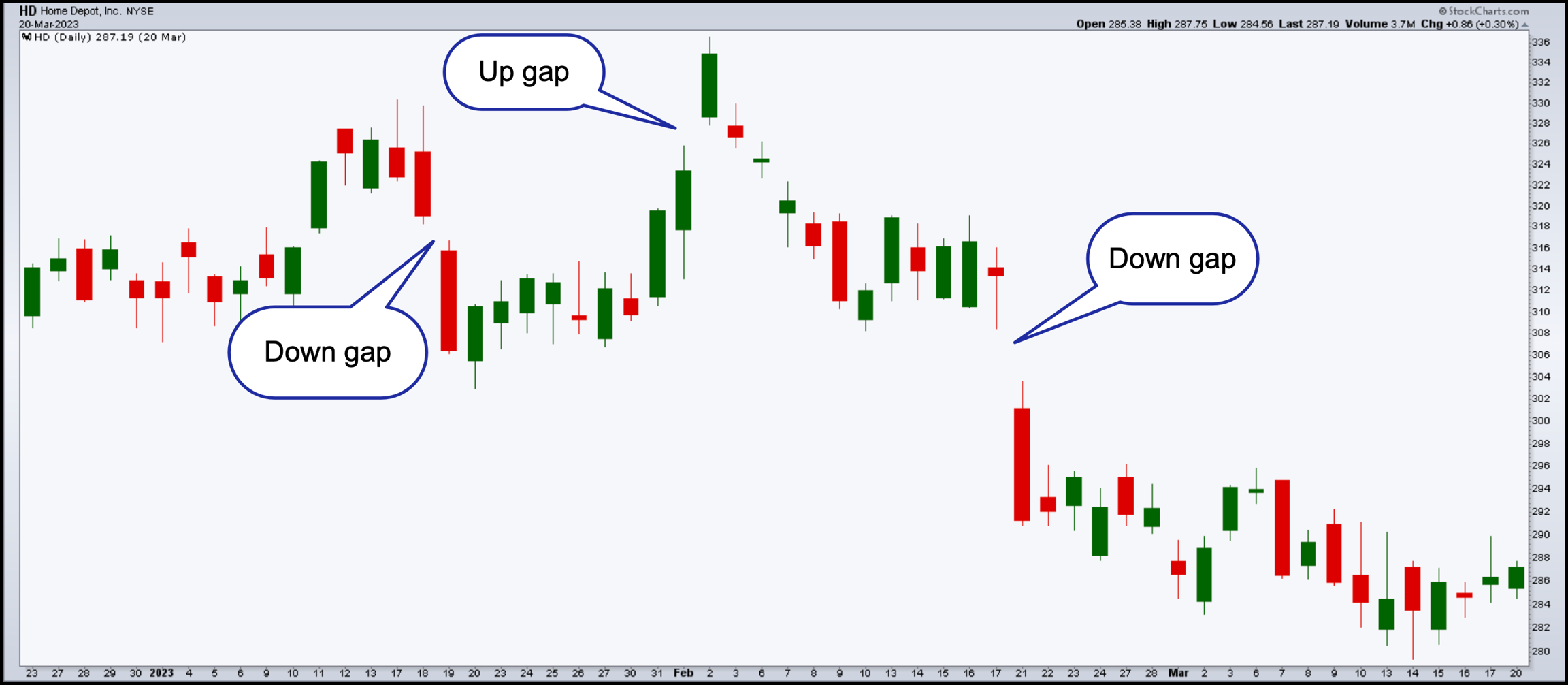
Over 24 sessions of war, 71% of the KSE-100's decline — 12,597 index points out of a total drawdown of 17,663 — arrived in the overnight gap, before the open, when no order could be placed and no position could be adjusted. The gaps came in 75% of sessions, filled only 33% of the time, and averaged 2.01% per event — nearly five times the 0.43% average of the pre-war period. The damage was structural and largely inaccessible. You could watch it happen. You could not stop it.
Wednesday's gap-up of 12,921 points recovered 73% of the entire war drawdown in a single overnight move. And just like every gap-down that came before it, the decision was made while Pakistan slept. The ceasefire was announced around 6pm Washington time — 3am Pakistan Standard Time. There was no Tuesday evening signal. No pre-market advisory. The trade was won or lost before Wednesday's alarm went off.
This is what this analysis has been documenting since March 2: the overnight window is where consequential price discovery happens in a shock market. The war expressed its damage there. Pakistan's diplomacy expressed its recovery there. In both directions, and on both sides of the ledger, the gap was the instrument — silent, unannounced, and completely beyond the reach of conventional risk management.
The cruel arithmetic remains unchanged. You either had your position or you did not. The only research note that mattered was posted at 3am on Truth Social.